Understanding Pig Tractors and Their Benefits
Let's talk pig farming—specifically, the innovative and increasingly popular approach using pig tractors. Forget the image of pigs wallowing in mud; pig tractors represent a sustainable and potentially more profitable way to raise pigs. This mobile housing system allows for rotational grazing, benefiting both the environment and your bottom line. But what exactly is a pig tractor? For similar mobile housing systems, check out this pallet-based design.
What is a Pig Tractor?
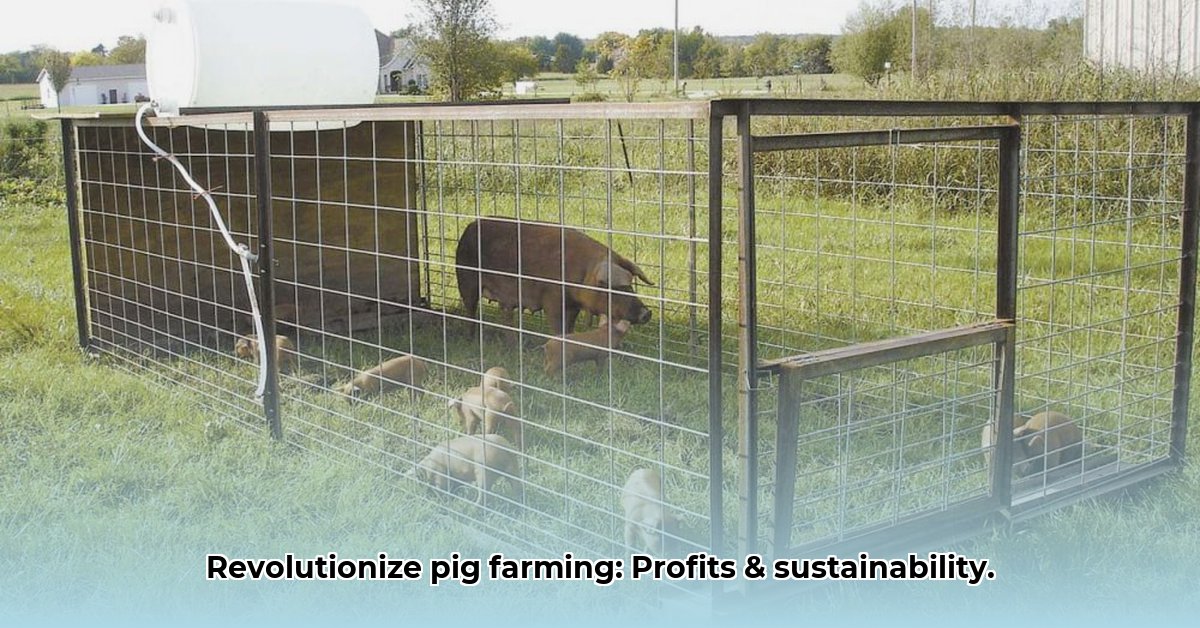
A pig tractor is essentially a mobile pig shelter, typically built on wheels or a trailer, allowing for easy relocation. It's a self-contained unit designed to move your pigs across pastureland, providing fresh grazing areas. This rotational grazing approach minimizes overgrazing, improves pasture health, and mimics natural pig behavior. It's like providing your pigs with a constantly refreshed "apartment"! How does a system based on this concept affect sustainability? It has a major impact.
How Does a Pig Tractor System Work?
The core principle? Rotational grazing. Pigs are housed in the tractor and graze a designated area. Once the area is grazed, the entire unit is moved to a fresh section. This prevents overgrazing, reduces parasite loads, and improves overall pasture health. The system promotes a clean and healthy environment for your pigs while minimizing environmental impact. Isn't this a much better way of raising pigs than conventional methods?
Environmental and Economic Advantages
Pig tractors offer significant environmental benefits. Rotational grazing reduces soil erosion and enhances pasture health, potentially decreasing fertilizer needs. This translates to lower costs and demonstrates a commitment to sustainable agriculture. Consumers are increasingly seeking sustainably raised pork, adding value to your product. But that's only part of the story. What about the financial side of things? What financial gains have been seen by other farmers?
Financially, pig tractors can improve profitability. Improved pig health (due to cleaner conditions, enhanced nutrition and reduced parasite loads) leads to reduced veterinary bills and a healthier herd, ultimately improving pork quality and potentially increasing market prices. Reduced labor costs associated with managing the pigs are also a boon. Isn't it interesting how improved animal health and sustainability can drive profits?
Implementing Your Pig Tractor System: A Step-by-Step Guide
Transitioning to a pig tractor system requires careful planning and execution. Here's a practical, step-by-step guide:
Step 1: Site Preparation and Pasture Selection: Choose well-drained areas with high-quality pasture. Consider pasture size and rotation planning to ensure adequate grazing. Soil testing is also recommended.
Step 2: Tractor Selection: Choose a tractor suited to your farm size, number of pigs, budget, and terrain. Consider factors like durability, ease of maintenance, and features (e.g., integrated water systems).
Step 3: Installation and Initial Setup: Position the tractor in the starting location, ensuring stability and secure fencing to protect your pigs from predators. Provide easy access to water and feed.
Step 4: Daily Management and Monitoring: Regularly inspect the pigs' health, clean the tractor, and monitor pasture condition. Maintain a feeding schedule that promotes optimal growth.
Step 5: Movement and Rotational Grazing: Move the pig tractor regularly to fresh pasture areas to prevent overgrazing and maintain pasture health. This is a crucial element of sustainable pig farming. This allows for the land to regenerate adequately.
Step 6: Maintenance and Repair: Implement a maintenance schedule to prevent costly breakdowns. Regular checks and preventative maintenance are far more efficient than emergency repairs.
Addressing Potential Challenges
While pig tractors offer numerous benefits, potential challenges exist. Predator control is vital, requiring robust fencing and possibly additional deterrents. Weather protection might need consideration, and effective manure management is crucial for environmental sustainability. Careful planning is paramount to mitigate these challenges. What are some successful ways of managing these risks?
Real-World Success Stories
Numerous farms have successfully implemented pig tractor systems, reporting improvements in pig health, pasture quality, and profitability. Case studies showcase the practical application and viability of this approach. These successes demonstrate the real-world potential of sustainable pig farming and highlight the rewards that can be reaped.
Is a Pig Tractor Right for Your Farm?
Determining the suitability of a pig tractor requires careful consideration of your farm's specifics. Assess your resources, farming goals, and commitment to long-term sustainability. Thorough research and planning are vital to making an informed decision. What other sustainable farming practices might complement the use of pig tractors? Proper planning makes all the difference.
(Note: This article is for informational purposes only. Consult with agricultural experts for specific advice tailored to your farm.)